
Are you tired of relying on grocery stores for your food? Do you dream of living a self-sufficient life, where the animals in your backyard provide everything you need? If so, then it’s time to consider a survival livestock.
Imagine waking up to the sound of roosters crowing, collecting fresh eggs from your backyard, and enjoying a glass of milk that comes straight from your own cow.
These hardy and versatile animals can be the key to achieving true self-sufficiency. In this article, we will explore the world of raising the right farm animals and help you make informed decisions about which ones are best suited for your needs.
Raising a Farm Animal for Survival
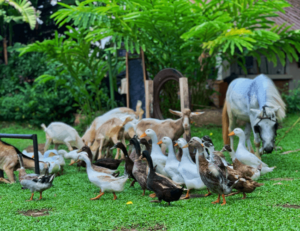 If you are starting to learn about survival prepping measures, then you’ll most likely know that the supply chain can be interrupted at any minute and you may not be able to simply run to the store whenever you need clothing, food, and other goods.
Because of this, you need to have other ways to source some supplies. Animals are a good source that can provide you with food, milk, and even other things that you need such as fibers for household goods and clothing.
But raising farm animals is a major step in your survival prepping journey. You don’t want to simply buy something on a whim without knowing how to properly care for it because these are living beings, and you want to take care of your investment correctly.
Diverse Farm Animals for Survival Livestock
When you have another source for food and fibers, you’ll be ensuring that you have an additional level of self-sufficiency in your preparations. These can include things such as milk, eggs, meat, and more.
Each of the animals that you are considering for your survival homestead can provide different things, but you still want to make sure that you can care for each animal correctly before you begin building up an entire farm.
You might be thinking of it in terms of getting chickens for your eggs and meat, cows for milk and meat, and goats for milk, meat and fiber – but if you are inexperienced with how to meet their needs, you won’t have the type of yield that you are looking for.
Not only do you need supplies on hand to care for farm animals, but you also have to have skills and knowledge so that you can take care of them properly. You’ll have to know what to feed them, how to breed them, what kind of diseases may pose as a threat, etc.
Selecting the Right Farm Animal to Raise
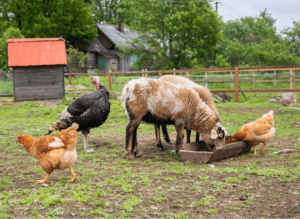 To begin your journey, you have to know which is the right farm animal for you to choose as your initial investment. There are different factors that come into play, not just your personal preferences.
The first thing you have to determine is how much space and what resources you have to raise a certain animal. If you don’t have a large pasture and feed available for a large animal like a cow, then you shouldn’t start out with that type of animal.
You need to make sure that before you invest in any survival livestock, you have money set aside to pay for veterinary care, proper shelter and feed. You may be able to start with a couple of chickens in your backyard at very little cost and in using up very little space.
Even if you plan to move to a larger homestead later, you can get started learning about and caring for animals on a smaller property so that when you do make the move, you’ll be one step ahead in the process.
Chickens are probably one of the most common survival animals people start with period all you need is a coop to keep them in with nesting boxes so that they can lay eggs for you and some sort of outdoor area that is secured from threats so that they can forage for food.
You’ll need to keep them fed and watered, but primarily protect them from any type of predators including snakes, coyotes, foxes, and more. This is one of the best choices if you are on a tight budget and you don’t want to do a lot of heavy maintenance in caring for the animal.
Raising the Right Farm Animal
Goats don’t require too much extra space, but you do need to have some sort of fenced in area so that they can graze. You’ll need a shelter that they can get under an extreme weather events, and you’ll have to make sure they have water daily.
With goats, you’ll want to have a veterinarian on hand to give them checkups to make sure they don’t have any common illnesses or parasites.
If you are able to use them on your property to control weeds or to provide you with milk, fiber, and meat, this is a great option that is comparable to raising cows, but that doesn’t take up as much space.
Sheep are similar to goats, and you need the same types of things such as a grazing area, water, shelter, and food. Not only will you need the periodic health checkups, but you also need to understand how to share them.
You’ll be able to use their milk, meat, and wool. This is a great choice for most climates and this is also a low maintenance option. Many survival preppers often think they’ll immediately get a cow for their property.
But each individual cow needs a significant grazing space. They also need shelter, fencing that cannot be easily torn down, water and food. You’ll want to have a veterinarian on hand and also understand how to breed cows so that you can continue using them for milk and meat.
With many of these animals, don’t forget that their manure can serve as a great enhancement to your soil if you are growing a survival garden, and you may even be able to turn it into a source of income if you can sell it to others.
Getting Your Survival Livestock Area in Order
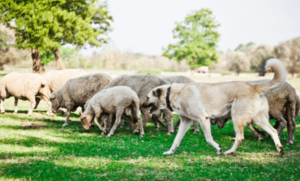 Before you bring an animal onto your property, make sure you have everything set up properly. Having a sense that keeps your animals on your property and keeps predators out is very important.
You also have to have shelter that they can get under in the event that it is raining or snowing, and even to protect them from harsh sunlight, depending on what climate you live in.
Try to learn the proper fencing and shelter needs for each type of animal that you are considering raising, because some will be able to escape or the option you have provided may not be enough for certain predators.
You also need to have a system in place to keep them provided with ample drinking water, such as a large trough or some sort of watering system. Although your animals may graze or forage, you’ll probably have to supplement that with some sort of feed.
You may also want to get a large guardian dog to protect your survival livestock. There are different breeds you can consider including the Anatolian Shepherd, Great Pyrenees, Akbash and Maremma.
Make sure that you pay close attention when you first bring the animals onto your property to inspect it for any type of issue that might arise, such as a breakdown in your fencing structure or inadequate shelter.
Skills You’ll Need for Raising a Farm Animal
In addition to having the right space and supplies to raise your animals, you’ll also need to have skills and knowledge that you can use. This starts by understanding the nutritional needs of each animal, and also how to recognize any type of medical issue that is developing.
Sometimes, an illness can begin in one animal and spread to others, so you want to have a keen eye on the situation. You need to know what is normal behavior and what is something that should be alarming to you.
Another skill you have to have is in coming up with a daily care routine for your survival livestock. You need to have a specific time to feed them, check their water, and check their body for any sign of illness.
You also need to know how to clean their living environment to ensure that they are not living in a mess. Think about how much exercise they need or how often they need to be put out to pasture for grazing.
Starting Off Right with Animal Husbandry
When you have everything ready, you’ll want to begin the process of acquiring the animals for your property. You always want to make sure that you are purchasing from a reputable breeder or farmer, and not just buying from anyone.
It can be very expensive to purchase an animal just because it’s cheap initially, and then have to spend thousands of dollars on veterinary bills or end up losing the animal completely.
Start out small, regardless of which type of animal you decide to start off with, and raise a few at a time so that you get the experience you need and gain the confidence you need to add more into your flock or herd.
When you feel good about how things are going, make sure you are teaching your family to take care of the animals as well. They can take on chores such as feeding, watering, cleaning, and ensuring the fence is intact, etc.
This is not a skill that you will master in a single day. You may have setbacks and need to remain patient as you go through the learning process.
Reach out to others in the community that can help you understand how things work and eventually you will have animal husbandry as a strong survival tactic you can use to get through any situation.
Livestock for Prepping
Conclusion: Best Livestock for Self-Sufficiency
Choosing the right survival livestock for self-sufficiency is crucial for survivalists and homesteaders alike. It’s important to consider factors such as space, climate, and personal preferences when selecting livestock.
By doing thorough research and seeking guidance from experienced farmers or breeders, one can make informed decisions about which animals will best meet their needs.
Remember, raising animal livestock requires dedication, hard work, and a genuine love for animals. So, whether you’re looking to raise chickens for eggs or goats for milk, take the time to choose wisely and enjoy the rewarding journey of self-sufficiency. Happy farming!