Have you ever wondered what it would be like to rely solely on your own abilities to feed yourself? Survival gardening is not just for extreme preppers or off-grid enthusiasts; it’s a practical skill that anyone can learn in order to ensure their long-term food security.
In this article, we’ll delve into the world of creating a survival garden and discover how growing your own food can provide you with a sense of empowerment, connection with nature, and delicious homegrown meals on the table year-round for you and your family.
Start Growing Your Survival Garden
 We always think we’ll have access to supplies (including fresh fruits and vegetables or canned goods) just by popping into our local grocery stores and picking up whatever we need on a whim.
But in a survival event, you may not have access to any food, much less nutritious ones that can support your body’s needs. In today’s world, many preppers are starting their survival gardens early, learning the ropes and replacing pesticide-riddles produce with organic, healthier versions from their backyard.
If you’ve ever seen grocery store shelves when a winter storm warning is released, you’ll know the danger in relying on the system to provide for you. Everything gets wiped out – even for a short, three-day storm.
Imagine what life would be like in a more severe event that lasted weeks, months or even years? Not only can survival gardening provide food for your family but it can provide you with something to barter with if needed.
You want to start learning how to garden before it becomes a necessity because if a survival event unfolded tomorrow and it took you months to grow something to eat, you’d be in a dire situation.
Plus, there’s a lot of trial and error as you navigate the learning curve of gardening. Just because you plant something and water it, doesn’t mean it’s going to come to fruition for you.
Preparation for Survival Gardening
To begin preparing for your survival gardening journey, you need to take some actions beforehand to set yourself up for success. You don’t want to assume that your gardening space is a welcoming environment for plants to grow.
Have your soil tested so you can see if it’s balanced and nutrient-rich. You’ll also find out if there are any harmful substances in your soil that might compromise your survival garden.
This will allow you to either select a new location or repair the soil to a good state using fertilizers, organic material, lime, etc. You need to decide where to grow your fruits and vegetables.
That may be in your backyard, in your home, or even in another location such as a homestead property you’ve purchased and are preparing for a survival event. You have to have a spot with good sunlight and adequate drainage.
Make a decision about which tools you’ll need for gardening, too. Things like a shovel, gloves, a hoe, pruning tools, a wheelbarrow and more will help you plant, nurture and harvest your garden easily.
You might also want to start a greenhouse if you live in an area where your produce might be a victim of harsh weather conditions. You can have small ones, large ones, and multiple greenhouses for growing purposes.
Think about your irrigation methods, too. You may want a rainwater barrel to collect water in that you can use for watering your garden. And of course, you need seeds or plants to get started.
Heirloom seeds will be free from genetic modifications so the produce will be richer in terms of nutrients and more hearty for growing than other varieties. Plus, you can save the seeds from what you grow for future crops!
Crops for a Year-Round Family Harvest
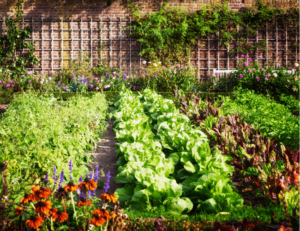 You don’t want to just grow produce once in awhile. You need to have crops that will provide for your family in winter, spring, summer and fall. Part of knowing how to do this is understanding your gardening zone.
Look up the USDA Hardiness Zone Map so that you can pinpoint your location and zone and select plants to grow and thrive in your area. In some locations, there may be times when growing is difficult, such as in blizzard conditions.
So you may need to grow during milder times and can your food to last you through those months. But ideally, you’ll find crops you can grow during all four seasons, such as tomatoes and peppers in warm months or Brussels sprouts and kale in cold months.
Planting a Family-Friendly Garden
You also need to think about the speed of growth. Certain crops like radishes and arugula can be grown in between longer growing seasons, multiple times over. Always have something in the ground and canned food put up to sustain your family.
Try to select foods that not only appeal to your family in terms of taste, but those that provide the most calories and nutrients for your needs. These include things like potato varieties, corn, leafy greens, legumes, and berries.
Choose crops that are easy for new gardeners if you’re not experienced yet. Beans, peas and potatoes are easy. Plant a mix of perennials and annual plants so that you have food that will return year after year or give you a big harvest in a shorter period of time.
Stagger your planting using succession methods so that you’re able to harvest crops for weeks at a time. And use companion planting to help plants thrive with other plants that benefit them.
Even planting basil near tomatoes or adding marigold to your garden can be a natural pesticide. But you can have some Neem oil on hand or use garlic spray if you want to steer clear of chemicals.
Stealth Survival Gardening
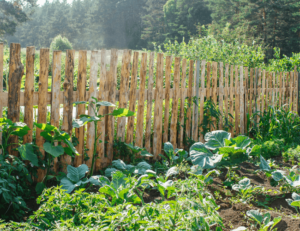 Just as predators might come after your traditional food supplies and other survival gear, if you have an obvious garden in your backyard, they might come and steal your produce, too.
You can plant a stealth garden where it looks like natural landscape and isn’t readily noticeable as a food source. You’re ultimately camouflaging the garden but not making it look like a traditional one.
You can do this by choosing plants that look like landscape. Things like kale and Swiss chard can be blended into grassy areas or flower beds without being detected. Herbs like Thyme, lavender or rosemary often appear like weeds, but you can grow them for taste enhancements or medicinal options.
You can grow bushes like berries or train vine-growing fruits to grow and blend in as landscape décor, too. Make sure you break the stealth garden up – and don’t plant everything in one place or in neat rows.
You want it to look natural, like wild plants and maybe be a bit overgrown, with taller plants in the back and shorter ones in the front. A stealth garden is a smart idea whether you’re in the city or the suburbs.
Learning to Harvest and Preserve Your Food
Don’t forget that when gardening, you need to know how to properly harvest your food and put it up for later use afterwards. Timing is going to be crucial so that you don’t allow your harvest to soil.
With some plants, like leafy greens, you can allow the plant to keep growing and just takes leaves off as you need or want them. There may be indicators, such as corn husks or the greens of root vegetables that show when something is ready to harvest.
Learn and practice canning and dehydrating your produce once you’ve harvested it. With some things like root produce, you may have to let it dry before you can store it to prevent mold and ruin.
Starting a survival garden early and sharing the skills with your loved ones will be a great way to ensure that your family is never a victim of food scarcity in the event that a survival situation unfolds.
How to Grow a Survival Garden
Conclusion: Growing Your Own Harvest
Survival gardening is not only a practical way to ensure a steady supply of food in times of crisis, but it is also an empowering and sustainable practice that connects us back to our roots.
By growing our own food, we become less reliant on external sources and have the opportunity to cultivate a deeper appreciation for nature’s abundance.
Whether you have a small balcony or a large backyard, there are always ways to get started with survival gardening. So grab your shovel, pick up some seeds, and let’s embark on this journey towards self-sufficiency.
Remember, growing your own food not only benefits you and your family but also contributes to a more sustainable future for all.