Have you ever wondered how hygiene safety plays a role in a survival situation?
Whether it’s an unexpected camping trip gone wrong or a genuine emergency where basic resources are scarce, maintaining proper personal care can be the key to staying healthy and resilient during adversity.
In this article, we will explore the often overlooked importance of personal care and hygiene safety.
From keeping clean to preventing infections, we’ll provide you with practical tips and insights to ensure your well-being remains a top priority even when faced with extreme circumstances.
Planning for Hygiene and Sanitation Issues
 When most people think about survival situations, the last thing on their minds is sanitation or hygiene. They are primarily focused on issues such as not having enough food and water, having shelter from the elements, or threats from other individuals.
But the importance of a good hygiene and sanitation plan cannot be overlooked. Even in big cities, when something happens to prevent trash from being picked up, you will immediately see many issues developed such as health and pests – so you can imagine how bad it would be in a true survival event.
You need a plan in place to provide you with a clean environment not only for health reasons, but for your comfort as well. You have to know how to maintain cleanliness for your body, your campsite or home, for cooking, and more.
If you don’t have a plan in place, it will be easy for diseases to break out and cause issues that you may not have medical help for at that time. There may be a disruption in supply chains or even access to medical professionals to help you if you get sick.
When we talk about sanitation and hygiene, they are similar, but have very specific roles. With sanitation, you’re looking at the plan you need to have in place to remove human waste and other waste such as food, etc.
Hygiene is something that you want to have in place as a good practice to keep your area clean including your hands and other places so that you’re not spreading germs or even getting yourself sick.
When you don’t have a good sanitation and hygiene plan, you might find that your water is contaminated, you are attracting wildlife, and communicable diseases are spreading more easily.
Hygiene and Sanitation in a Survival Situation
First, let’s look at the different issues that you need to be considering for future potential survival events when it comes to these two issues of sanitation and hygiene. There are two different scenarios you might have to consider.
The first is hygiene and sanitation in terms of hunkering down at your own home on your property and what you can do about it from there.
The other is considering these two issues from the perspective of having to bug out in the wilderness and the challenges you’ll be facing in that situation.
Keep in mind that even though you have regular trash pickup and sewer services right now at home, that doesn’t mean that in a major survival event, those would still be operational.
You have to think about how you would get rid of trash, what you would do if your plumbing and sewer was not operational, how you would keep your house clean enough so that the residents inside did not get sick, and more.
Working Knowledge of Hygiene Safety
 Basically, you want to think in three different areas – your personal hygiene, waste management, and food and water safety.
If you have a plan in place to address all three of these, you should be able to navigate any type of short or long term situation with ease.
The first thing you want to teach your family to always be sure of is that they have taking care of their own personal hygiene.
As we saw during the pandemic, washing your hands and not touching your face can be a strong solution in keeping you free from illnesses.
The problem with this is that you may not have access to clean water at all times. In that case, you want to make sure that you have some way to sanitize your hands.
You might have to bathe the less often, but you still need to keep your skin clean, especially if you’re in a situation where you might have an open cut.
If you’re in a situation where you are hunkered in at home and the sewer system it is no longer working, you might have to resort to digging a trench latrine if you do not have access to some sort of composting toilet or other gear.
You don’t want waste from your kitchen or living area to accumulate on your property. You want to take that elsewhere away from home so that it doesn’t break down and ruin your water or attract many different types of pests.
Options for Maintaining Personal Hygiene Safety
When it comes to food safety, you have to think of it the same way you do today, keeping your food cold or making sure it reaches a hot enough temperature whenever applicable, and keeping your surfaces clean whenever you are preparing and storing food for your family.
We already talked about digging a latrine, and this can be a pit that you dig into the ground. But you have to know how to manage that as well.
This area needs to be kept clean and the waste has to be covered so that you aren’t attracting flies and other pests.
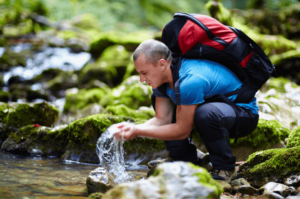
If you’ve gotten in a situation where clean drinking water is limited, you’ll want to do your best to bathe, wash dishes and clothing in a natural, running water source like a river or stream.
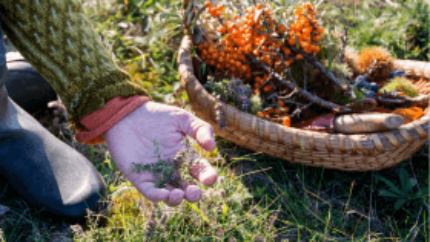
You can always take this water and boil it to use for hygienic purposes and sanitation options. You can also create your own soap or use plants like soapwort or yucca that will help you lather up and stay clean.
For oral hygiene, if you don’t have access to a toothbrush and toothpaste, you can always use sticks that you can chew on, where you can fray the end to clean your teeth as good as possible, but make sure that you are choosing a non-toxic twig.
Hygiene and Sanitation Gear You May Need
 There are different types of products and gear that you can invest in ahead of time so that whether you are at home or bugging out, you’ll have the sanitation and hygiene products you need to stay safe, comfortable and healthy.
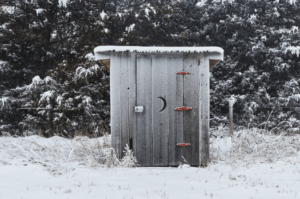
You can invest in a portable toilet or even build an outhouse if you are in a long term survival situation. Portable toilets are great for bugging out because they are compact and lightweight.
You can also carry waste disposal bags that you can put human waste in as well as other items from your campsite. They have certain bags with chemicals inside that can help break down the waste for you.
Because access to clean water is so important, you may want to invest in a water purification system. They have small ones and large ones that can support your entire property, depending on your budget.
You also want to have plenty of hand sanitizer that you can carry with you and have at home. We saw how important this was during the pandemic, and in a long term survival event when sanitation and hygiene can mean the difference between health and sickness, it will be even more vital.
Make sure you have other items on hand that will help with hygiene. These include things like disposable gloves, plenty of hand soap and bleach, personal hygiene items like deodorant, toothbrushes, toothpaste and more.
Hygiene and Sanitation Plan for Survival
Don’t just gain awareness and buy supplies for sanitation and hygiene. Make a plan for how you’ll handle things the minute it breaks down and you re on your own.
Go through your everyday life and look at all of the things you rely on to stay clean, such as a dishwasher, washer and dryer, bath, sink and garbage disposal.
Think of how you’ll handle it if they re not working and there are no professionals to come fix things for you. Create a routine and schedule for removing waste, cleaning surfaces, bathing and more.
Invest in the products you know you’ll want to use to help keep your living space clean, and stock up on these for long-term events.
Have a backup plan, too such as making your own soap and cleaning materials whenever your existing readymade supply runs out.
You also have to make sure you re not the only one aware of how this works. It’s important that every person understands the dire consequences associated with bad hygiene habits or poor sanitation measures.
If you do get caught in an event where you have to handle your own sanitation, monitor the effectiveness of what you re doing and make tweaks if you’re seeing problematic issues.
Hygiene Safety Supplies
Conclusion: Hygiene for Overall Health
Maintaining personal hygiene in survival situations is crucial for our overall well-being and safety.
By practicing proper handwashing techniques, keeping our bodies clean, and ensuring the cleanliness of our surroundings, we can minimize the risk of infection and illness.
It is important to remember that even in difficult circumstances, we should prioritize our hygiene needs to prevent the spread of disease and maintain a sense of normalcy.
So let’s make a conscious effort to prioritize personal care and hygiene regardless of the situation – it can make all the difference in keeping ourselves healthy and comfortable. Stay safe, stay clean!