Are you worried about the state of our food system? Imagine being able to find nutritious, delicious food right in your own backyard. Foraging for food is a centuries-old practice that has recently gained popularity among preppers and nature enthusiasts alike.
In this article, we will explore the art of foraging and how it can be a valuable skill for those interested in self-sufficiency and sustainability. Get ready to discover nature’s pantry and unlock the secrets of finding nourishment all around you.
Begin Learning Proper Foraging Techniques
 Supplies may not always be available in a survival situation, whether it’s a short or long-term event. You might see stores shutting down, supply chains getting interrupted – or you may have to bug out at a moment’s notice and not have anything with you when it happens.
You never want to be without food and water. One of the skills that can help you safely get through a situation like this is learning how to properly forage for food.
You can do this anywhere at any time, but you have to do it carefully because you don’t want to get sick from not knowing what to gather and eat versus what to leave alone.
You want to know how to identify resources that will provide you with the nutrients and calories you need to get through each day.
It’s very important to understand how to differentiate between plants that look very similar because one may be poisonous while the other is safe for your family to consume.
Guidelines for Foraging Food Properly
The first thing you want to do is understand the proper guidelines for foraging food. The things you are going to need to learn include recognizing which plants will be good for you to eat, and understanding how to find and harvest them in the wild.
There are some plants that you will be able to find in suburban areas, right under your nose, while others may be out further in the woods or near a lake. It all depends on where you live and how far you’re willing to go to find the sustenance that you need.
There is no one-size-fits-all approach to foraging. This is a skill that is going to depend fully on where you live, because each person’s access to a variety of plants is going to be different from everyone else’s.
Ideally, you’re going to have a number of options to choose from, so you may be able to pinpoint a certain plant that grows in abundance in your area. You can start with that and figure out the caloric count and nutrients that it will provide.
This is perfect to do in the very beginning and slowly add more and more foods to your knowledge bank as you start to master the foraging process. You want to take precautions in learning how to tell plants apart.
Identifying Foraging Foods
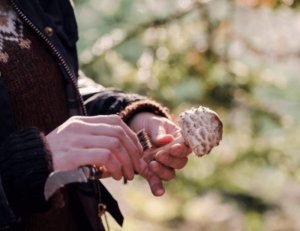 For example, you might think you’re foraging wild carrot, but you’re actually gathering poison Hemlock. Knowing small differences, such as the smooth stem of the Hemlock versus a hairy stem on wild carrot can save your life.
Sometimes, you can’t even touch certain plants safely, so you may want to be wearing gloves initially as you learn the ropes.
When foraging, one guideline you need to follow is to take what you need or what you can store and don’t strip the land of everything if you’re going to let it go to waste.
You’re not the only living beings foraging for food outdoors, and the wildlife needs to have plants to eat as well.
If you’re learning the skill and you’re not in a survival situation, you may also have to abide by certain local guidelines.
Some areas are protected from foraging, or have certain seasons when you’re not allowed to forage.
Other laws may pertain to the quantity of what you can gather, and you don’t want to get in trouble as you learn.
Starting Off with a Beginner Foraging Plan
To get started, once you know the proper guidelines you need to be following, you’re going to want to begin learning what you can forage in your area, but you have to have tools to forage with.
Many people think they’ll simply walk out into the woods and yank plants out of the ground or pick things off of plants.
But you don’t want to damage your food sources. You’ll want to have a sharp knife or gardening scissors as one of your tools.
We’ve already mentioned gloves as an important tool, but you also need something to put your harvested items in. You can use a cloth bag or different type of container – from a plastic one to a wooden basket.
You may want to have different containers on hand – such as one for leafy green plants and another for berries or one for nuts that you find.
When you go hunting for things like berries, you don’t want to put too much in one container because they’ll get squashed and go bad.
Another thing you’ll want to have on hand, even if you have begun researching this ahead of time, is some sort of reference guide that is applicable to your geographic location about what you can and should not forage.
Although there are mobile apps that you can use to identify plants, you don’t want to learn how to do that for survival purposes, but instead use it as a backup while you are initially learning but always have a print handbook to go by in the event that you’re not able to access the internet.
Choosing a Foraging Food Guide
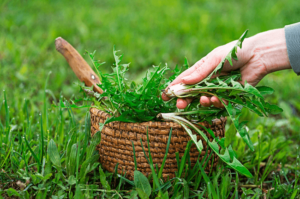 When you are selecting a guide to help you learn how to forage, choose those that give you as much detail as possible about the plants, including pictures that you can use to properly identify whether or not something is edible.
In many large cities, you’ll be able to find local guides that you can hire to take you out on an outing and show you exactly what is edible and how to harvest it. Having this hands-on education is a great supplement to your printed materials.
It’s a good idea to bring everyone in your family along when you are learning how to forage so that they don’t make any mistakes in the future about what is safe to eat.
Start by showing them plants they can consume that will not put them at risk of misidentifying it and mixing it up with something poisonous.
For example, dandelions are an average weed that most people try to get rid of, but they’re actually edible. You can also teach them to harvest clover and chicory if you can find that in your area.
Learning how to forage is not just about knowing which plants to harvest. It’s also about being able to recognize where these plants will be found, which parts of them are edible, and the proper way to harvest them.
You might find a particular plant that grows in abundance, but you can only use one portion of it for nutritional purposes.
You also want to keep track of when these particular plants are most likely to appear and be ready for harvesting.
Storing and Preparing Your Foraged Supplies
As you begin learning the ropes on how to forage for food in your area, you’ll need to know what to do with your harvest when you bring it back to your campsite or home.
Sometimes, you’ll eat it immediately, so you need to know which foods can be eaten raw as soon as you pick them.
These will include things like the dandelions or berries and some nuts. As soon as you wash them, you can eat them raw or you can cook things to consume, too.
Some items that you harvest will be better if you can flavor them up with some seasoning and cook them.
For example, if you pick some roots or leafy greens, you’ll want to sauté those, boil them or even put them on the grill. You’ll want to store them, along with herbs and mushrooms, in a cool and dark location.
With some foods that you harvest from the wild, the cooking process is what can make them no longer toxic, so you have to understand what to cook, when and for how long.
An example of this is the fiddlehead fern, which is toxic if you don’t cook it the right amount – boiling it for 10-15 minutes.
Make sure you also have a plan for long-term storage, using a canning or drying strategy. You can preserve some of the foods for later use, such as putting up fruit you can use as jam or in pies – or pickling items for later consumption.
How to Forage for Food
Conclusion: Embracing Nature’s Bounty
Foraging for food is not only a valuable skill for preppers, but it is also a way to reconnect with nature and gain a deeper appreciation for the world around us.
With the abundance of edible plants, mushrooms, and even insects available in our own backyard, we have a hidden pantry waiting to be explored.
By learning about native species, practicing proper identification techniques, and adhering to ethical guidelines, we can confidently navigate the wilderness and provide for ourselves in times of need.
So why not start exploring your local surroundings? Take a walk in nature, learn about the edible plants in your area, and begin building your knowledge and skills as a prepper. Get out there and discover nature’s pantry for yourself!