Have you ever wondered what it takes to survive in the wild? In a world where we rely heavily on supermarkets and technology, the idea of hunting for survival may seem like a thing of the past.
But imagine being stranded in the wilderness with no source of food or shelter. How would you navigate through this challenge? In this article, we will delve into the world of hunting for survival, specifically focusing on tracking and trapping.
Importance of Hunting, Tracking and Trapping
 In a time where convenience and readily available food are often taken for granted, these skills can mean the difference between survival and starvation.
Hunting allows us to connect with our primal nature and reconnect with the natural world, while tracking enables us to better understand animal behavior and movement patterns. Trapping grants us an additional means of procuring sustenance when opportunities for hunting may be scarce.
But it goes beyond mere sustenance – these skills not only provide food, but also foster self-reliance, resilience, and a deeper appreciation for the environment we depend on.
Hunting requires patience, precision, adaptability, and an understanding of ecological balances. Tracking is like unraveling a mystery; each track tells a story: what animal passed through here? How long ago? Were they running or moving slowly? These details will give you insight into your prey’s habits and could ensure a successfull hunt.
Create a Tracking and Hunting Strategy
When you’re working on your survival prepping plans, you might be so focused on storing food, water and other supplies, that you forget someday these might run out. Depending on your situation, you might just be faced with a long-term food shortage.
If this happens, you need to know how to manifest your own nutrition. Of course, this may include fishing or foraging for vegetation and fruit that can serve your needs. But you also want to have a plan in place for tracking and hunting so that you can be sure to get the protein you need to keep your body charged and capable during a stressful event.
This is not something most people are used to doing. For beef, chicken, pork, and other meat, we usually just stroll into the grocery store and select whatever cuts we want to cook at home.
But in a survival event, you have to adapt and be able to present meat on your own, which involves a set of skills that includes tracking and understanding animals and then being able to hunt properly and humanely.
Selecting Survival Tracking and Hunting Gear
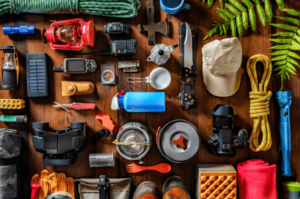 The first thing you need to do is have the right gear on hand that will allow you to track and hunt for your food properly. Now there may be times when you don’t have any gear, but purchasing these essential items up front can be the beneficial edge for your homestead.
Some of the gear you will want to include are things like a compass or GPS. These can help guide you on knowing how to track animals.
You can also purchase field guides that will tell you about the vegetation that certain animals are drawn to.
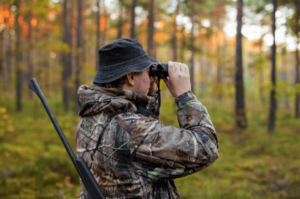
These same guides will often identify tracks to look for that will show you exactly what kind of animals that are in your area. And of course, for hunting purposes, you’re going to need some kind of binoculars that will assist you in zeroing in on your prey.
Firearms and Accessories for Survival
In addition to tracking gear, you can also have different items to hunt with. These may include everything from a firearm, to bow and arrows, or even a slingshot in some instances.
This will all depend on what kind of game your looking to hunting, whether it’s a small animal or large game. For preparing your game after a hunt, you will also need different tools such as knives that will allow you to process the animal.
Also make sure you have good survival apparel that will protect you in the elements. These will include products for both cold and hot weather conditions that will keep you warm or cool, depending on your needs, and keep the moisture away from your body.
They will also be camouflaged to help keep you hidden so that you can hunt more effectively. You also want to have some sort of bag or backpack that you can carry the different equipment you have on hand, and also things like a sled to help you haul larger game back to your camp.
Depending on your hunting strategy, you may also require materials for your snares or traps. You can make these out of whatever you have on hand, or you can buy traps and pre-made stuff to make it easier.
How to Track Animals on a Hunt
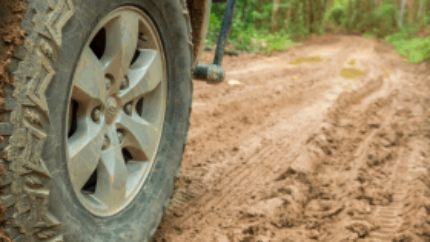
The first thing you want to know is how to track animals when you are hunting. Most people think you merely have to look for footprints in the ground, but there’s other ways to track animals as well.
For example, you can look for scat that will tell you an animal has recently been nearby, and you can often identify the animal based on what that looks like. You can also see where they have hunkered down or slept, where they are feeding, and how they are moving aound in your location.
Sometimes, you’ll find identifying marks such as a tree that has been scratched or some sort of foliage that’s been chewed up, and that will signify that there are animals in the area.
By also studying the depth of the track and analyzing the wear pattern on leaves or grass surrounding it, one can gain useful insights into the habits and patterns of a particular animal.
Predator tracks accompanied by fresh scat could mean that a hunting opportunity could lie ahead; conversely, fresh herbivore tracks paired with abundant scat could suggest a rich feeding area nearby.
Developing an eye for footprints and scat is not a skill that develops overnight. It takes time to learn how to distinguish between different types of tracks and properly assess them in various soil conditions.
Alternative Hunting for Survival Methods
 Once you have tracked an animal in your area, you have to come up with a method that you want to use for hunting purposes. From a humane perspective, you want it to be as quick and painless as possible.
You will have to devise your approach according to what kind of game you are targeting. In many situations, you may be able to find plenty of squirrels and rabbits in your geographic location.
But in some areas, you might be able to find larger prey like deer or hogs in abundance. You want to spend time studying the animals in your area and learn as much as you can about their behavior early on.
The kinds of things you’re looking for include when they are most active and foraging for their own food, when and where they sleep, what their watering habits are, and other things that will provide clues you can use when hunting.
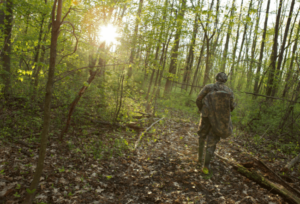
If you’re not using a trap or snare, which allows you to be more passive in your hunting efforts, you can stalk your prey and ambush them by using camouflage skills and remaining undetected so that you don’t startle them.
If you are using a trap or snare, you can typically catch smaller game using wire or cord as well as pits or cages. In order for this to be effective, you’re going to need to know what their pathway is, and check the trap or snare frequently.
You don’t want to use inhumane methods such as leg traps that will cause suffering. Use hunting as a means of pure survival and not just to flex your strength over a living being that is vulnerable.
Continuous Skill Development
When tracking and hunting for survival purposes, you want to grasp what you’re doing before you may need to utilize it to save your own life one day.
This is something you may not only want to learn for yourself, but you’ll want to teach your family members how to do in the event they get separated from you, or need to use these same skills as they grow older.
Keep in mind that simply going to a shooting range and aiming at a stationary target is not going to be adequate enough to help with hunting. While it does teach someone how to use a firearm, you may have to simulate a real situation with a moving target.
You also need to practice in different weather conditions such as extreme heat, cold, wind, rain or even snow.
Getting comfortable with your weapon of choice is important too, because it will keep you calm and focused in a high-adrenaline situation.
Make sure you practice the setup of snares and traps, and learn how to properly process your game once it s been hunted.
You may even want to take it so far as to cook the game over an open fire, doing everything from start to finish as you would in a grid-down survival situation.
Keep in mind, even if you are unfamiliar with tracking and hunting, you could hire an expert to train you and get you to a point where you feel comfortable enough teaching it to your own family.
Survival Hunting
Conclusion: The Art of Survival in the Wild
Tracking and trapping in the wild are essential skills for those who rely on hunting for survival. By honing these techniques, we can increase our chances of successfully catching game and providing sustenance for ourselves and our families.
The ability to track animals allows us to understand their patterns and behaviors, while trapping provides a passive method of securing food over time.
With patience and practice, anyone can learn these skills and become self-sufficient in the wilderness. So why not take the time to learn these valuable techniques?
Start by researching local resources or joining a hunting group that offers training in tracking and trapping. Happy hunting!