Fire starting methods hold centuries worth of knowledge passed down from generation to generation.
From rubbing two sticks together like our ancestors did to cutting-edge tools for quick ignition, there are countless ways to spark life into those dancing flames of survival.
Whether you’re a budding survivalist or simply someone who loves spending time in the great outdoors, mastering the art of starting a fire is an essential skill that everyone needs to know.
Practice Starting and Maintaining a Fire
 You may think that with enough warmth from your clothes and a tent or shelter, you would be just fine in a survival situation. But the importance of a fire cannot be understated when it comes to your preparations.
Not only do you have to have the tools available to help you with fire starting, but you also have to have the skill and knowledge on how to start the fire and keep it going so that it doesn’t burn out on you.
Fire safety is another thing that is important with survival prepping because everyone in your family will be working around the fire or with the fire in an effort to have clean drinking water, warmth, and cooked food.
A fire does more than just provide for you in terms of your survival needs. It also has a certain mental benefit that provides a level of security and safety you may feel lacking without it.
This is a skill you need to practice. It’s not something where you simply pack some extra matches you have lying around and expect to be all set in a survival situation. You have to know how to start different types of fires, how to manage them and how to extinguish them as well.
Gear Up for Fire Starting Methods
You want to make sure that you and members of your family have a good grasp of how to use a variety of different fire starting methods. You probably want to begin with traditional gadgets that everyone is used to.
These include things like matches and lighters period of course, you want everything to be waterproof and in the case of matches, it’s best if they can strike anywhere so that you don’t need the matchbox.
With lighters, you’re reliant on fuel, so they’re not meant for long-term survival events (but neither are matches, because they’ll run out). Still, these are great starter items when teaching your family how to start their own fire and keep it running.
Other Options to Start a Fire
You also want to have other gear on hand that they may have not yet used to start a fire. These include things like Flint and steel, a fire rod, bow or hand drills, or even a magnifying glass that can be used with sunlight and tinder.
Don’t forget that there are also other options for fire starting. These include chemical fire starting materials, pyro putty, plasma liners, and other lesser known options that can give you peace of mind knowing you have a backup if something else doesn’t work.
You may want to invest in a paracord bracelet that includes a Flint striker on it. There are also Swiss Army knives that have Flint or fire strikers.
In addition to the fire starter element, there are tinder materials you can take along with you in a bug out situation that can help you get a fire going quickly.
For example, you can take cotton balls that have petroleum Jelly on them, fire starter sticks, steel wool and a battery, and even potato chips that are flammable and can help you with the initial sparks.
Choose the Best Fire Starting Location
 After you have your gadgets on hand, you want to learn and share with your family about the best location for starting a fire.
You always want to take different things into consideration, such as where the best place would be to start a fire for safety reasons as well as protecting it from the elements and protecting your surroundings.
If you’re not in a major survival situation, you also want to check with legal requirements that may prevent you from randomly building a fire somewhere.
There may be restrictions in place due to dry weather conditions or permits that you have to secure just for practicing purposes.
Pick a Safe Place to Start a Fire
A fire can quickly get out of hand, so when you are choosing a location, you want to make sure that you are doing it with safety in mind. Keep it away from all flammable materials, and this includes your tent or shelter that you have built.
Make note of any chemicals lying around or combustible materials that could explode if a spark ignites it. A good rule of thumb is to keep the fire at least 10 to 15 feet away from your living space so that you’re not in danger of having any of your gear going up in flames.
If you can create a fire pit, this is a great way to keep the fire going and prevent it from growing out of control. Or, you can create a fire ring using large rocks that keep any straight embers contained.
You want your fire to thrive, so when you’re choosing a location to build it in, you have to think about the environment surrounding you.
Pay attention to wind. You need some wind to provide oxygen for the fire to burn, but you don’t want so much wind that it’s going to blow embers towards your living space.
Try to find flat, level ground to build a fire, and preferably start it in sandy soil that can help you extinguish the fire easily in an instant. If you have ground that is too hard, you may have a more difficult time extinguishing it.
Gather Materials to Maintain Your Fire
 You will already have some supplies packed, such as the cotton balls or other tinder, but you want to practice building a fire with the natural materials around you as well.
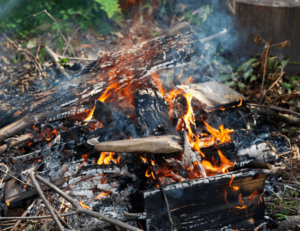
When it’s time to practice, gather things like dry leaves, dry bark or wood, small twigs or branches, as well as larger logs that can sustain the fire for a longer period of time.
You don’t want to try to get your fire going with green leaves or tinder that is still damp. You may be able to use paper, but always use plain white paper so that you’re not dealing with toxic fumes.
If you have a larger piece of wood, you may need to break it down into smaller shavings so that you have quick-igniting tinder to work with.
You should be able to find some smaller twigs and branches to use, and you want to start with the smallest ones approximately the size of your little finger and grow into branches that are bigger and bigger until you are working with large logs that will stay lit for longer.
Practice Several Fire Starting Methods
You want to practice using different tools to start your fire as well as different fire starting methods.
For example, a fire triangle is very basic and you only need your tender, oxygen, and some sort of fire starter to get it going.
You can also use a friction method, which is a little more time consuming but a great skill to learn. These are done using the bow or hand drill method.
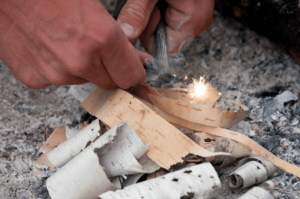
You can use the Flint and steel fire starting method where you strike steel against the Flint to create a spark that will ignite your tinder.
There are also more advanced techniques such as a Dakota fire hole, which is great if you need to have a fire but don’t want to be found in a survival situation by any type of unsavory individuals.
If your goal is to get rescued instead, you may want to learn how to create a signal fire which is done using green material to create a lot of smoke that’s visible by overhead planes as well as ground crews.
If you run into trouble with your fire starting technique, check to see if the wood is wet or has too much resin on it. It may be that you have to create some sort of windbreak if your fire starting method is continually being blown out.
Managing and Extinguishing Your Fire
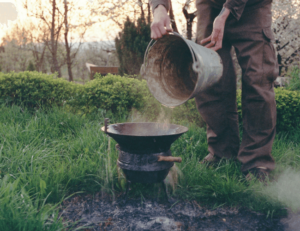 Make sure you are taking steps to learn how to handle any issues with your fire, such as containment or an injury by someone in your party.
You want to cool the skin down with room temperature or cold water but not ice and then treat it with aloe vera or burn medication until you can get help.
Make sure you are not letting your fire get out of control, but are managing it properly for as long as you need it to be operational.
Don’t put everything on the fire at once, but slowly feed it so that you are not wasting resources or making it expand too soon.
If you want to keep the fire going all night, you’ll need one person to stay awake who can make sure that it is properly fueled and that the wind is not blowing it out of control or allowing it to blow out.
Make sure everyone knows how to extinguish the fire using the soil around you, water if necessary, or a fire blanket if you have one on hand.
Knowing how to start a manage a fire is just the first step of your survival prepping journey. You are also going to need to know how to use a fire for cooking, purifying water, and any other reason you might find it necessary.
Fire Starting Methods Without Matches
Conclusion: Mastering Flames for Survival
Mastering fire starting methods is an essential skill for anyone venturing into the wild.
Whether you are a seasoned survivalist or a beginner adventurer, knowing how to start a fire can mean the difference between comfort and discomfort, warmth and coldness, safety and vulnerability.
By familiarizing yourself with various fire starting techniques such as using matches, lighters, or primitive methods like friction fire, you will gain confidence in your ability to create fire when the time is needed.
So go ahead and practice these techniques in controlled environments before heading out into the wilderness.
Remember, fire is both a tool and a responsibility; use it wisely and respectfully to ensure your own well-being and the preservation of nature’s beauty.