In times of crisis, having a reliable source of clean water can be a matter of life and death. Don’t wait until disaster strikes to figure out how to store water for emergency survival.
With the right knowledge and preparation, you can ensure that you and your loved ones stay hydrated during challenging times. In this article, we will share essential tips on how to safely store water for emergency survival situations.
Water Purification and Storage Strategy
 If you talk to most people who are uninformed about the true way to go about prepping for survival, they will always tell you that they are stocking up on food.
Sometimes, they will even emphasize hygiene products such as toilet paper, due to the fact that there was a run on this item early on in the pandemic.
But food, and certainly not toilet paper, should never be the first line of defense between yourself and your ability to survive in an emergency situation. While you can survive longer without food, clean water must be the number one item you have access to.
You can only survive without water for up to three days. Sometimes, someone might be able to get by for up to five days, but this might be impacted by their age or physical condition – or even the environment that they live in.
The problem with water preparations is that it takes up a lot of space when storing it, and it’s heavy. A single gallon of water weighs over 8 pounds.
When you think about the fact that each human needs approximately 1 gallon of water per day, it would be hard for you to stock up on the kind of supply that would last you for any significant period of time.
Therefore, not only do you need to have a supply of water on hand for short term emergencies, but you also need to have the ability to purify water sources that may be contaminated if and when you are in a survival event that lasts a longer period of time.
Why You Need Water
We usually focus on the need for water to drink. And in your everyday life, you may not drink very much water directly.
You may drink sodas, coffee or tea instead. But in a survival event, water will be your primary focus, and your needs may vary if you are in a harsh setting such as bugging out in the wilderness.
If the grid is down and there’s no air conditioning and you are in a hot weather climate, even if you stay home you will need to increase your hydration during this time. Without proper hydration, you can suffer from various health complications.
Different Reasons You Need Water
You’ll also need water that you can cook in. Boiling is one way that you can purify the water, but you will need more water to boil a pot of pasta or beans than you would just to drink.
You also need water in order to have proper hygiene. You don’t want to be going about your day and then eating food that you have picked up with hands that have not been washed.
You’ll need to do laundry and clean your cooking utensils after they have been used so that they don’t begin growing mold or attract animals if you are outdoors. And you may even need more water for first aid reasons, if you have to clean a wound for instance.
When you are planning for your water needs, take all of these things into consideration, but also think about how you can maximize your use of the water.
For example, after you cook something, if there is leftover water that you have boiled something in, you might consider drinking that after it has cooled down so that you can maintain your hydration.
Or, if you are growing a survival garden, you can use leftover water to pour into the garden to help with your food sources.
There are other ways you can conserve your water use, but you want to make sure that you are not cross contaminating anything so that the water you are ingesting is something that started out purified and then was used in a way that made it unclean.
How to Safely Store Water for Emergencies
 You have to know how to store water, even though it’s heavy and bulky. You want to have some on hand for short term survival events such as the grid going down temporarily during a weather situation.
If there is a situation where you know about an upcoming event like a tornado or hurricane, you might use a bathtub water bladder that you can fill ahead of time from the spout and seal so that if your electricity and water goes out, you’ll have a huge source of water to depend on.
Ideally, you want to have one gallon per day per person. Typically, men will need approximately 4 cups more water than a woman would.
But you also have to take into consideration the needs of your children and if there are any special medical needs or other needs for each individual.
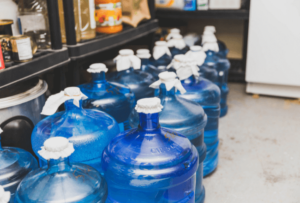
It’s important that when you are storing water, you store it safely and appropriately. Having a palette of water bottles that you bought at the grocery store is fine. You can even have some gallons set aside for a short term emergency.
Long Term Use for Water
However, this is not going to last you for a long time. These will break down eventually, and compromise your water source. You want to be using food grade containers that are ideally airtight and sealable.
You never want to use glass jars or ceramic materials that might break. Some materials, such as metal containers, are somewhat okay, but they can cause an unpleasant taste after awhile.
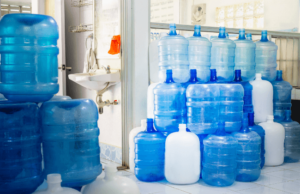
There are stackable and collapsible water containers that you can get to store your water supplies in. The stackable ones look like blue bricks, and can easily be organized efficiently to take up less space.
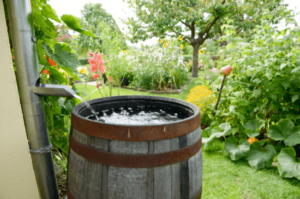
You may also want to get some larger water storage containers, such as a rain barrel that you can place outside to collect water. Some people will use these to set up an irrigation system for their garden as well.
Make sure that your water is stored out of the sun so that it doesn’t break down the container or even cause more evaporation.
You want to treat your stored water to prevent it from developing harmful pathogens and to preserve its quality, too.
In addition to rainwater, you might want to see if your property allows for you to create a well water situation. If you go this route, you can tap into an aquifer underneath the surface that may be somewhat filtered for you.
Various Purification Methods
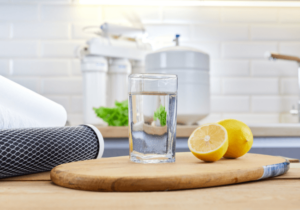 Many people think that if they find a water source that looks clear, that means it’s safe to drink.
However, contaminants cannot be seen with the human eye in many cases, so you will possibly sicken yourself in a survival event where access to a hospital may not be possible.
It is imperative that you have safe drinking water, which means you have to know how to purify all water sources that are not coming out of your tap ready to drink.
You don’t want to ingest any elements that might cause vomiting, diarrhea, or an infection that may be harder to treat and put you in a dire situation.
Look for water sources that are as clean as possible to begin with period. If the water is clear and flowing, it is going to be less likely to be harmful than if you are taking water from a stagnant pond.
Boiling water is going to be one of the easiest ways for you to kill anything that might harm you in your water sources. However, you don’t always have access or the ability to build a fire on the go.
You will want to make sure that you have purification tablets or drops, which don’t take up much space at home or in your bug out bag.
10 Best Water Filters for Survival
There are also water purification straws that you can simply put into any source of water and drink directly from with peace of mind.
You can also set up your own type of water filtration system at home using a variety of materials that include charcoal, sand, and other materials that can help filter the water.
And if you are not on a budget, you can purchase a water filtration system that can be used as long as you are in a stationary location.
Keep in mind that the loved ones in your family are not the only ones who will need you to take their water needs into consideration. If you have pets or farm animals, you’ll need to plan for their clean water needs as well.
Properly Rotating Your Water Supply
Stagnant water can become a breeding ground for bacteria and other contaminants, making it unsafe to consume during a survival situation.
To properly rotate your water supply, consider implementing a system where you use and replenish your stock on a regular basis.
This could involve dedicating one day each month to consuming the stored water and refilling it with fresh supplies.
By making this a regular habit, you can ensure that you always have access to clean drinking water in case of an unexpected event.
Another option is to incorporate your stored water into your daily routine by using it for cooking, cleaning, or watering plants.
You can even integrate it into your self-care rituals by using it for bathing or washing your face. This way, you’ll be able to enjoy the benefits of rotating your emergency water supply while also practicing sustainability in everyday life.
Alternative Methods for Water Storage
 When it comes to emergency water storage, most people think of traditional methods such as storing water in barrels or jugs.
However, there are alternative methods that can be just as effective and even more convenient. One alternative method is using collapsible water containers.
These containers are portable, lightweight, and can be easily folded up when not in use. They come in various sizes ranging from a few gallons to over 10 gallons, making them ideal for both short-term emergencies and long-term survival situations.
Another alternative method for water storage is utilizing rainwater harvesting systems. This involves collecting rainwater from rooftops or other surfaces and storing it in tanks or barrels for later use.
Rainwater harvesting is a sustainable option that not only provides an additional source of water during emergencies but also helps conserve municipal water supplies during non-emergency times.
Additionally, some rainwater harvesting systems are equipped with filters that remove debris and contaminants, ensuring the collected water is safe to consume.
A less known but equally intriguing alternative method for water storage is utilizing underground cisterns or tanks.
These tanks can be buried beneath your property and connected to your home’s plumbing system or used independently as a stand-alone source of water storage.
Underground cisterns offer several advantages such as protection from freezing temperatures, UV radiation, and vandalism.
They also provide a discreet solution for preserving large quantities of water without taking up valuable space above ground.
Conclusion: Survival Water Storage
It cannot be emphasized enough how crucial it is to your survival by having adequate water storage in case of an emergency situation.
While we often take clean and readily available water for granted, the reality is that disruptions to our water supply can happen unexpectedly.
With a growing number of natural disasters and unforeseen events occurring worldwide, being prepared with a sufficient supply of water becomes even more paramount.
Remember: being proactive early on can make all the difference between comfort amidst chaos or suffering during unforeseen disturbances.
Ensuring adequate water storage isn’t just about preparing for emergencies; it also grants peace of mind knowing that you have taken every measure possible to safeguard the most essential element of life.
Don’t wait until disaster strikes – start planning today and empower yourself with the resources necessary for survival when they are most needed.