Have you ever wondered what it would be like to live off-grid, completely independent from modern society? If so, then a homestead plan may be just what you’re looking for.
Homesteading is all about creating a self-sufficient sanctuary where you can grow your own food, generate your own electricity, and live in harmony with nature.
In this article, we will dive into the world of homestead planning and share tips on how to find a sustainable homestead that meets all your needs while maximizing your impact with survival.
Find a Homestead for Long-Term Preparations
 In a perfect world, everyone would be able to stay safely in their current location and have access to everything they need in a survival situation.
But that isn’t the way things work, and a better solution is to have a homestead property where you can either live or escape to when things are chaotic.
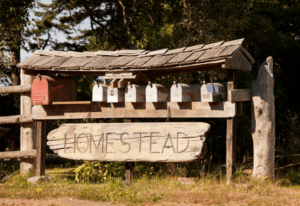
A homestead property is a self-sufficient space that’s permanent, unlike a temporary bug out location you might go to. It should keep you safer than in an urban or even suburban location.
You need to start creating this property to your survival standards now, and not wait until the last minute because in a dire situation, you might not have access to the supplies and services you need to make it operational.
With a homestead property, you’re going to have shelter, food, water and space to raise your family without any immediate threats to worry about in the near vicinity. It’s perfect for an extended survival event that lasts months or even years.
Top Considerations for a Homestead Property
Before you even start shopping, you’ll want to know what considerations you should have in mind before making your homestead plan. You want to find the perfect spot and not compromise due to cost or availability.
But there may be some compromises worth considering. The first and most important factor is location. You have to think in terms of climate first. You want to be able to grow your own food and withstand the elements without any form of electricity.
Your location may also be chosen based on natural disasters that are common for the area. You don’t want to build in a flood-prone area, or on a fault line where earthquakes are common.
If you do have to build somewhere that is susceptible to natural disasters, such as in tornado alley, you need to make sure you have plans in place to shore up your safety, like building a shelter capable of withstanding an F5 tornado.
Homestead Property Location Considerations
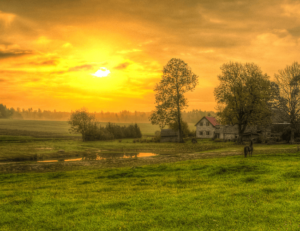 In addition to threats, you want to consider the location in terms of what you can gain from it. Choosing an area near a natural body of water is wise. A lake, river, or other water sources will come in handy.
Many people buying property usually think about views. But you want to test the soil and make sure you have a place capable of growing a survival garden and raising livestock as well.
You want to build on a property far enough away from society that civil unrest won’t be an issue, but close enough to make a run for supplies when and if you need them.
If you’re living on it long-term before a survival event, you’ll want to be close enough for emergency services and other routine trips you may need to make, too.
When sizing up the property, ask yourself how secure it seems. How far are the neighbors? Does the land offer any natural barriers from predatory individuals? You’re going to want to fortify your property before a survival event occurs.
Finding the Right Homestead Location
Once you know what to look for, you need to know the right way to shop for your homestead property. Take time to conduct ample research and give yourself options to choose from.
Luckily, with the Internet, you can conduct a lot of the preliminary research from the comfort of your own home, weeding out properties that aren’t a good fit and making a shortlist of those that are.
There are many platforms you can search on, and filters make it easy to choose land by available acreage, land with water elements, land with a home already built on it (or barren), and so on.
Then, you want to go one step further and check out the crime rate in the area. You don’t want to build right outside of a city with high crime because in a survival event, it will spill over into rural areas.
You also want to look at various details about the location, such as climate, average temperatures and rainfall, etc. Make a visit to the location and ask locals what life is like living there.
Homestead Plan Property Concerns
 Ask specific questions about things like natural disasters such as wildfire threats, flooding, and more. Find out what problems people face living in the area – not just all of the positive aspects of it.
Gather soil on the property to conduct a test and make note of the vegetation and wildlife that exists on or near the property. This may come in handy during a long-term survival event if you have to forage or hunt for food.
While there, take pictures of the property and take measurements so that you can decide how big your homestead will be and where you will build other elements, such as a barn or additional shelter.
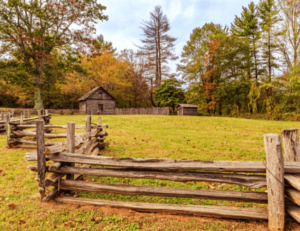
You’ll also want to make plans for some sort of safety and protection of your property, such as fencing it in to keep unwanted visitors from accessing it. Ideally, you’re going to have some protection from visibility from the road, so that people aren’t even aware that there is a home nearby.
After you’ve narrowed it down even more, go through each of the properties that you have selected and compare them based on your priorities for things that matter in your survival homestead plan.
You may also need to know what kind of zoning laws are applicable in case there’s any restrictions about how you can use the property, such as being able to raise livestock or build certain types of structures.
In addition to the price of the land, don’t forget that you’re going to have taxes, building costs, and upkeep expenses. You may need to dig a well on the property or modify an existing structure to make it into the type of homestead you want to have.
Homestead Preparation After Your Purchase
Once you secure your homestead property, you’ll want to embark on a long term homestead plan to get it operational. Ideally, you want to be able to move in there at any moment as soon as possible.
You might think that building a structure is the first step, but you may want to focus on developing a reliable water system, which may include a purification and large storage system in place that you can use for drinking, cleaning, cooking, and irrigation for your garden.
You may also want to have some sort of power source installed, whether it’s solar or wind power that you can use in place of electricity if the grid goes down. Having some sort of backup system will give you peace of mind in a survival event.
You may also want to go ahead and begin the process of growing a survival garden, especially if you are able to get on to the property frequently and tend to your crops.
After you begin building your homestead living quarters, you’ll want to add on things like a barn, greenhouse, and other elements that will serve you well like a storage area for food and tools.
Make sure you get to know your neighbors, but don’t verbalize that you’re building a survival homestead. It may help to know neighbors who raise livestock and crops, and you never know when those relationships can help protect your family, too.
How to Plan a Homestead
Conclusion: A Sustainable Homestead Future
Creating your own self-sufficient sanctuary through a homestead plan can be an exciting and fulfilling endeavor.
By incorporating sustainable practices such as growing your own food, harnessing renewable energy sources, and reusing resources, you can take control of your own well-being and survival.
A homestead offers the opportunity to reconnect with nature, live a simpler life, and build a strong sense of community. So why wait? Start planning your homestead today and embark on a journey towards self-sufficiency and sustainability. Your own little paradise awaits!