Imagine a world where money is no longer the key to survival. In this post-apocalyptic landscape, where resources are scarce and trust is a rare commodity, enter the power of survival bartering.
Developing relationships via trade takes on a whole new meaning in an era where human connection is valued more than money.
In this article we explore the art of trading necessities for non-essentials, and the incredible potential for building relationships amidst chaos.
Bartering Plan for a Cash Compromised World
 If you’ve ever been in a natural weather disaster where the grid is temporarily shut down and grocery stores can no longer accept debit cards or credit cards, you’ll understand the panic that sets in when you realize you can’t buy what you need because you don’t have cash.
If you go one step further and think of a long term survival event, where even cash is not an acceptable trade for products or services, you have to be prepared to barter with something else, such as supplies and skills.
You could be hit by this type of scenario if an economic collapse occurs, if there is any major political instability, or if a natural disaster causes a grid down situation that either doesn’t allow you to use your card, or access money, or it destroys the financial institutions.
Right now, you are focused on having paper money and metal coins that have meaning behind them. But in a survival event, you may have to exchange goods and services instead.
Negotiating for Survival Bartering Items
This is how people adapt to disasters. You have to have a way to get the supplies and services you need, which means you’ll need to exchange something with the other person.
You also have to have some negotiating skills so that you are making equal trades rather than wasting all of your time or supplies on obtaining something from someone else.
Even if there’s not a survival event that requires you to barter with these items, the process of bartering in itself can be used at any time if you want to go into an agreement with someone to trade skills or goods without using traditional money.
You have to know how to negotiate with the other individual so that each of you is getting a fair deal that is mutually beneficial. You can definitely haggle the price down, but you don’t want to always force the situation so that you have an upper hand.
Before you begin negotiating with the other person, you want to know what they deem valuable, and this can vary from person to person.
If this is someone you will be bartering with regularly, you want to keep track of the items they are interested in so that you know what to bring to the table in subsequent exchanges.
Survival Bartering with Basic Needs
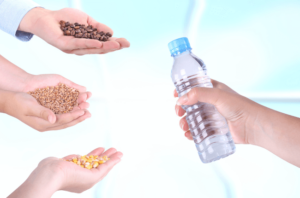 In a survival situation in particular, you can always barter with items that everyone needs, which include food and water as well as shelter or transportation. Even self-defense gear can become an asset that many will be willing to trade something for that.
Food and water are two of the most immediate necessities others will want in these situations. You might be able to trade produce, grains, meat, and other food they are having a hard time finding.
You might even have something like a pantry staple such as salt, flour, or spices that they have run out of and are eager to get their hands on again. Think of things like sugar and seasonings that give comfort to people in a dire situation.
You might have access to clean drinking water or water purification measures that others will barter for, and if you are in a drought situation, the value of this item will go up even more.
You may have something as simple as a tarp or an extra tent that you can trade someone so that they can have shelter in exchange for something that you need for your family.
Having a way to get around is also going to be a hot commodity in a survival event. It doesn’t necessarily have to be a car with fuel, but you can have an extra bicycle or a wagon that other people would love to have to get from one place to another or to carry supplies with.
And of course, self-defense gear, whether it’s a firearm, knife, pepper spray or something else can be in demand with people who are stuck in a survival situation where there are threats coming from humans and animals alike.
Using Skills and Services to Barter With
Sometimes, you may not have the exact supplies someone wants, but you have a skill that can help them instead. Take the shelter situation, for instance. You may not have a tent or a tarp that someone is looking for, but you may have the skills necessary to build a shelter.
As long as you have some way to chop down wood, you might be able to build them a temporary shelter so that they are not left exposed to the elements. Even just knowing these skills and teaching them to others can be something that you borrow with.
There are many skills or services that you can used to barter with. In addition to carpentry, you can also help people in other areas of their survival lifestyle.
These include things like medical assistance, repair work on their home or automobile, and even teaching people how to garden or protect themselves with martial arts.
In these longer term survival events, things will eventually begin to break down. Whether it’s their home, their boat, their car, or something else (even their body), they will need help bringing it back into working order.
You may not even be offering services to repair something, but to help them maintain it in a working order instead.
For example, they may have a roof that is starting to look weathered, or some sort of appliance that needs to be tweet so that it continues to work.
Bartering Comfort Items and Precious Metals
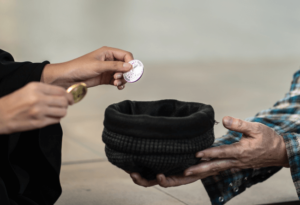 Sometimes, basic supplies and services aren t as much in demand as other items. Comfort items that go beyond pantry staples can have a big appeal with people in a survival situation.
Think of things people wouldn t prioritize for survival, but would crave like cigarettes, alcohol, or chocolate. These aren t necessities, but for many, they are comfort items that hold a psychological value to them.
It gives them an escape from the harsh reality they re living in and they might even use them as gifts for a loved one. They may be in short supply, so having them to barter with can give you more bargaining power.
Precious metals like gold and silver can be used for bartering because they retain their monetary worth over longer periods of time. You can begin stockpiling these in smaller amounts to barter with but make sure you don t only have large blocks.
Creating and Safeguarding Bartering Inventory
When you re thinking about items you ll use in a bartering situation, try to stock up on inventory reserved just for that purpose. You might run out of a critical first aid supply or water purification tablets in the future and need to tap into it to get what you need.
You want to have this stashed in various places so that if your supply of inventory is ever compromised, you have backup items to pull from. Start with a supply of necessities, then comfort items and metals.
In the interim, begin learning basic repair skills that you can not only use for your own survival lifestyle, but to help others in a bartering situation when you need something from someone else.
Make sure you re protecting the inventory you have and not allowing it to be pillaged or plundered by predators and thieves. Guard it as if it was your own supplies so that it will be available if and when you need it.
Prepper Barter Items
Conclusion: The Power of Trade and Community
Survival bartering not only provides a means of obtaining necessary goods and services in times of crisis, but also fosters relationships and builds community.
By engaging in trade with others, we have the opportunity to connect with our neighbors, learn new skills, and support one another.
Through this process, we can develop a network of trusted individuals who can help us navigate challenging situations together.
Start exploring your local resources, reach out to your neighbors, and see how you can contribute to this flourishing system of trade. Together, we can build a stronger future based on cooperation and mutual support.