
Are you prepared for the worst-case scenario? From natural disasters to unexpected emergencies, having the proper survival clothing can make all the difference, from keeping you warm to protecting your skin from the elements.
Picture this: You’re stranded in the middle of nowhere with nothing but your wits and a few supplies hastily thrown into a backpack. The sun beats down mercilessly on your back, and there’s no sign of civilization in sight.
What would you do? That’s where survival clothing steps in – it becomes your shield against nature’s harshest elements and ensures your chances of making it out alive are increased tenfold.
In this article, we’ll take a closer look at how dressing for disaster can be your ultimate lifeline when everything else seems lost.
The Importance of Clothing for Survival
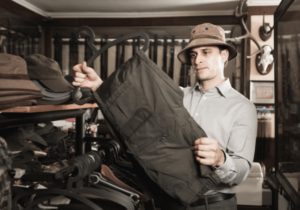 Clothes are an important part of your survival prepper plans. Even if you’re hunkered down at home, if the grid goes down and you’re met with uncomfortable temperatures, clothing can assist you in surviving.
But in a bug out situation, it’s an even more vital component of your survival gear. Yes, food, water and shelter are most important. But your clothing has to withstand the elements and work for you, rather than against you.
Some clothes, like jeans or a hoodie, would be an obstacle if you were to get wet in them and then temperatures dipped down. The color of your clothing and the fabric can make a difference, too.
Survival clothing selections for yourself and your loved ones will mean you stay protected and have another tool at your disposal in the event you’re stuck in a disaster situation.
The Importance of Survival Clothing Fabrics
Fabric is a necessary consideration when shopping for survival clothes. Not only does it have the ability to keep you warm, but it can help keep you cool, dry and protected from rain or wind, and more.
You need to be as comfortable as possible in a survival situation, but not at the expense of your safety. Cotton, for example, is very comfortable. It can be great in hot climates. But it doesn’t dry quickly, and it soaks up moisture and becomes heavy.
It’s also less durable than other fabrics. Wool is great for cold weather climates, and it wicks moisture from your skin.
It even have antimicrobial properties for odor resistance. But it, too can be heavy and it’s delicate and expensive, too.
One fabric many survival preppers look for is a light-weight synthetic material like polyester or nylon. These are fast-drying fabrics that also wick moisture from the skin.
The difference is, they’re more durable, so you don’t have to worry that they’ll tear easily – but they can melt easily, so open fire situations can be dangerous.
Regardless of what fabric you look for, try to get something breathable that you can move easily in.
Moisture wicking is vital to survival in any climate, but you also want something with insulation in it for times when you’re chilly.
Dressing for Weather Survival
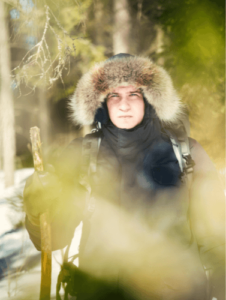 When some people think about the climate in regards to the clothing that they need for survival, they think about when they are outdoors during the day.
However, keep in mind that even warm weather climates can have cold nights, and you don’t want to have a drastic temperature drop that puts you at risk.
If you are in an area that gets a lot of sun, regardless of whether or not it is necessarily overly hot outside, you need to make sure you have clothing that can protect you from sunburns.
Even in warm weather, you can wear a wide brimmed hat with lightweight pants and a long sleeve shirt to keep you protected from strong ultraviolet rays and even becoming overheated.
You also want to consider whether or not you live in a rainy climate, but even areas that are not considered wet climates still have rain from time to time.
Your survival gear should also be water resistant, preferably waterproof, to keep your skin dry and warm. You can buy items such as pants and shirts that dry quickly, rain jackets, and more for this purpose.
Layering Clothes for Maximum Protection
Being able to layer your clothes so that you can warm up when needed or cool down by removing a layer is a great way to shop for your survival wardrobe.
It gives you flexibility so that you can adapt to any weather situations, whether it’s cold or hot, wet or dry. When you think about layering, you want to do it in a way that makes sense for your body.
For example, the layer closest to your skin needs to be a moisture wicking fabric that helps keep your body temperature intact and your skin dry.
Layered over that, you want something that will hold in the warmth and act as an insulation layer to protect you from external weather situations. This might be a thick piece of fabric, or it can be thinner, depending on the environment that you live in.
For the outer layer, you want to think about the weather. So if you are in an area that is prone to high winds, brutal sun, rain, or snow, your outer layer needs to be a protective agent against that.
Survival Clothing with a Purpose
 There are other things you need to consider when you are shopping for your survival wardrobe for the family. For example, some insects can pose a risk of disease, like ticks or mosquitoes.
If your clothing is able to shield you against these pests, it will not only keep you safe from a potentially disastrous health situation, but it can also keep you comfortable and not having to deal with the bites and stings that can make you miserable in a survival event.
Clothing that is made for this purpose often has chemicals in it, or the material is so tightly woven that insects have difficulty breaking through the perimeter. You also want to make sure you are protected against the UV rays of the sun.
Specialized Apparel Designed for Survival
Whenever you are shopping for survival clothes, look for the UPF (ultraviolet protection factor) rating so that you can see how well you will be protected.
You’ll be able to find shirts, pants, hats, and even gloves that can protect your entire body from the sun’s light. You also want to think about selecting survival clothes for different purposes when it comes to whether or not you want to be seen.
There are times when it will make more sense for you to be camouflaged, and others where you will need to use part of your clothing as a reflective or attention grabbing mechanism for rescue.
You can also find survival clothes that serve different purposes. For example, some of them have built in tools or areas where you can carry things like your pocket knife, fire starting gadget, or gear that you can fish with.
With some pants and jackets, you will find removable limbs that you can take off as a layering technique to help you adjust to differing temperatures.
Some of the survival clothes on the market can also be used for other purposes, like a poncho being used as a tarp for shelter or strong, durable clothes being fashioned into a stretcher if someone is hurt.
Choosing Survival Clothing Accessories
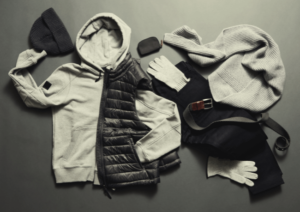 Don’t forget about the accessory items you may need during a survival event. These aren’t luxury items – they’re to protect your feet and other areas that may take a beating during a bug out situation.
You have to shop for items that will be beneficial for you from head to toe. With your feet, you need to protect them with socks that are made of wool so that you get the moisture wicking and odor eliminating benefits.
Many people like to have hiking boots for survival situations, but make sure they are broken in beforehand. These will be waterproof and have good insulation, but they are heavy.
Supplementary Items and Attire for Survival
If you decide to go with sneakers, they may break down more quickly and not be water resistant, but they will be lightweight. You do need to make sure you have one with a good grip on the sole.
We talked about having a wide brimmed hat for protection from the sun, but you may also want to have a hat that has insulated material for cold weather situations, including ones that come down over your ears to protect them from frostbite.
And don’t forget the jackets you may need. While a rain jacket is perfect for wet weather conditions, sometimes you may just need the extra insulation from the wind or chill in the air.
Your hands may also be at risk of breaking down due to the elements. To make sure you have some weather appropriate gloves to keep your hands warm and dry.
It’s important that you are able to move your hands easily while wearing gloves so that you can navigate the survival environment.
Keep in mind that if you have children in your home, their needs for survival clothing may change, and you want to have items that will work as they grow bigger. Having slightly larger clothes that don’t pose any type of risk might be a good solution.
Best Clothing for Survival
Conclusion: The Right Clothing Makes All the Difference
Survival clothing plays a crucial role in ensuring our safety and comfort during times of disaster. Whether you find yourself facing extreme weather conditions, natural disasters, or other emergencies, having the right clothing can make all the difference.
From waterproof jackets and sturdy boots to thermal layers and protective headgear, investing in high-quality survival clothing is a smart decision.
By prioritizing durability, functionality, and comfort, you can ensure that you are prepared for any situation that comes your way.
So don’t wait until it’s too late – take the time now to evaluate your current wardrobe and make the necessary additions to ensure your safety and well-being when disaster strikes. Stay prepared and stay safe!