Natural disasters can strike at any time, leaving destruction and chaos in their wake. In this article, we will guide you through the essential steps on how to survive a natural disaster and come out on top.
Know How to Survive a Natural Disaster
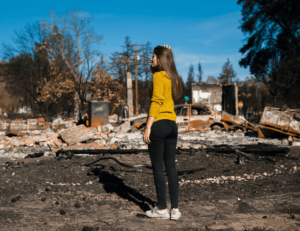 Natural disasters are the most prevalent type of catastrophe that most families will need to plan for, aside from any economic burden.
But of course this is a geographical worry, so you may live in a region that is more or less prone to these kind of events.
There are different types of natural disasters and the frequency with which you may be threatened by them.
They also occur at different times of the year, so you may have months where there is no possibility followed by a month of frequent situations.
The preparations you need to make for natural disasters include assessing your risk, taking preventative measures to protect your property and your lives, and knowing what to do during and after it occurs.
You may be dealing with different types of aftermath scenarios, which range from hidden dangers such as downed electrical wires to chaos in society where looting is prevalent.
The most common forms of natural disasters that you want to prepare for include tornadoes, hurricanes, floods, wildfires, and earthquakes.
Of course, there are less frequent disasters that can happen, too such as a volcanic eruption, tsunami, or even a solar flare.
Make Preparations Based on Risk Assessment
 You don’t want to be wasting your survival resources or preparations for things that probably never occur in your area.
So the first step is to conduct a proper risk assessment not only based on your geographic location, but also your current property, supplies and skills.
Some of them will be obvious, such as if you live in tornado alley or on the coast where hurricanes are likely. You also want to assess your property slant and location near water sources.
Is it in a location where enough rain could create a flood situation? Are you near a forest where dry conditions could prove hazardous in a wildfire? Are you located near a volcano, or on a fault line where an earthquake might prove devastating?
Not only do you need to be looking at your own property, but you need to be looking at the preparedness of your community and government officials. Will they be able to handle a large scale natural disaster in your area?
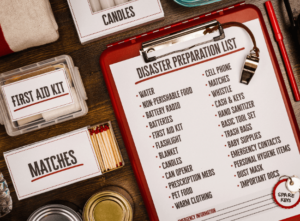
You want to stock up on supplies that would be good for your particular situation. For example, having a weather radio so that you know where any immediate threats are in relation to your location would be necessary.
You have to think about whether or not the electricity will shut down, whether you will be operating in a situation where your vision is limited, such as smoky conditions, and the possibility that your water may be contaminated.
Not only do you need supplies to get you through the disaster, whether it’s a flashlight or food and water supplies, but you also want to have some way to communicate with rescue teams in case you are trapped and need their assistance.
Survive Natural Disaster
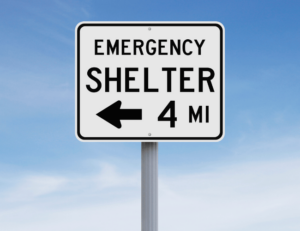 You want to think about whether or not you will need to evacuate or shelter down. This is an important part of survival, and you don’t want to put any of your family members at risk having them try to go to another location if it’s more dangerous to go elsewhere than to stay put.
If you are in the middle of a natural disaster, make sure you ration the supplies that you have so that you don’t go through them too fast before you can get to a safe place.
While taking into account the needs of each member of your family, don’t forget about your pets and having the ability to get them to safety in a pet carrier along with their food necessities, too.
Earthquake preparation is really about knowing what to do when the disaster is taking place. You don’t want to be in a fragile structure, so you need to know when to evacuate a building or simply take cover and shield yourself from any debris.
You might want to have an expert come out and do an analysis of your property to see if the building you live in is capable of withstanding seismic activity.
If you are in a flood area, you’re going to have to judge your evacuation measures based on how much and how fast the water is rising.
You don’t want to wait until it gets too late for you to leave your location. Ahead of time, you can set up water barriers to protect your property from getting flooded. These can include sandbags and other inflatable products, which can help manage minor flooding.
You never want to drive through a flooded area, even if it’s just a few inches high, because you can be swept away and trapped.
Prepare for Natural Disaster
 If you’re in a hurricane situation, you’ll have advanced notice about whether or not it’s going to hit your area, so you can evacuate in plenty of time.
But you may want to board up your home and protect any important documents and belongings in case your property is not capable of withstanding severe hurricane levels.
If you are in a tornado zone, you probably know to go in the smallest room without windows on the lowest level of your home possible.
But if you can afford to invest in a small tornado shelter, which can be the size of a closet, this will be a good way to withstand any tornadic activity.
If you happen to be outside during a tornado, such as driving home, get in a ditch and lie flat. Wildfires are a natural disaster that can turn threatening in an instant, even if they are initially seemingly headed the other way.
You can take protective measures for your property by creating fire breaks and clearing the land so that it is less flammable.
Some people like to water down their home before leaving, but don’t leave too late so that you put your family at risk.
Volcanoes and tsunamis also give plenty of advanced warning in most cases, with scientists being able to offer warnings and predictions about when these will occur.
Hopefully, you will have time to evacuate, but if not you can put as much distance between you and the ensuing disaster as possible.
Have a gas mask for a volcano situation that is sized to fit each member of the family and protect them from falling ash.
A solar flare may not hurt you personally, but you will likely be without power, so protect your electronic gadgets with a Faraday cage.
Navigating Natural Disaster Recovery
 The aftermath is when it might still be treacherous, and you ll have to deal with the fallout of the disaster. You may be operating in an emotional state because it can be devastating seeing a loss of your home or even finding out about the loss of life that resulted from it.
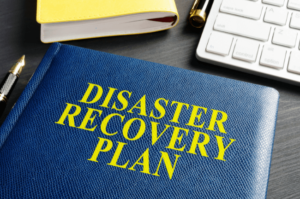
You want to have your plan set aside ahead of time so you can go through the motions without having to think about what to do next. First, evaluate the state of your property and the health of your loved ones.
It may not be safe to return home if it poses a risk. Have the numbers on hand to contact agencies like FEMA or Red Cross and any local community agencies that are set up to assist in the aftermath of an event like this.
You may have to make a decision about rebuilding and staying in the same place or relocating to a safer property. If you stay put and rebuild, you ll want to have knowledge about materials and supplies that can offer future protection.
When things have settled, evaluate what occurred and how your reaction and supplies held up. Make any tweaks for future natural disasters to help you in the event another one occurs and run through practice drills to ensure everyone is on the same page.
Tips on How to Survive Natural Disasters
Conclusion: Being Prepared Can Save Lives
Surviving a natural disaster requires preparation, awareness, and quick thinking. By following the steps outlined, you can increase your chances of staying safe during an unexpected event.
Remember to create an emergency plan, gather essential supplies, and stay informed about potential hazards in your area.
Stay calm and focused if disaster strikes, and seek help or assistance when needed. Only the prepared can navigate the challenges posed by natural disasters and emerge stronger than ever before. So stay safe and be prepared!